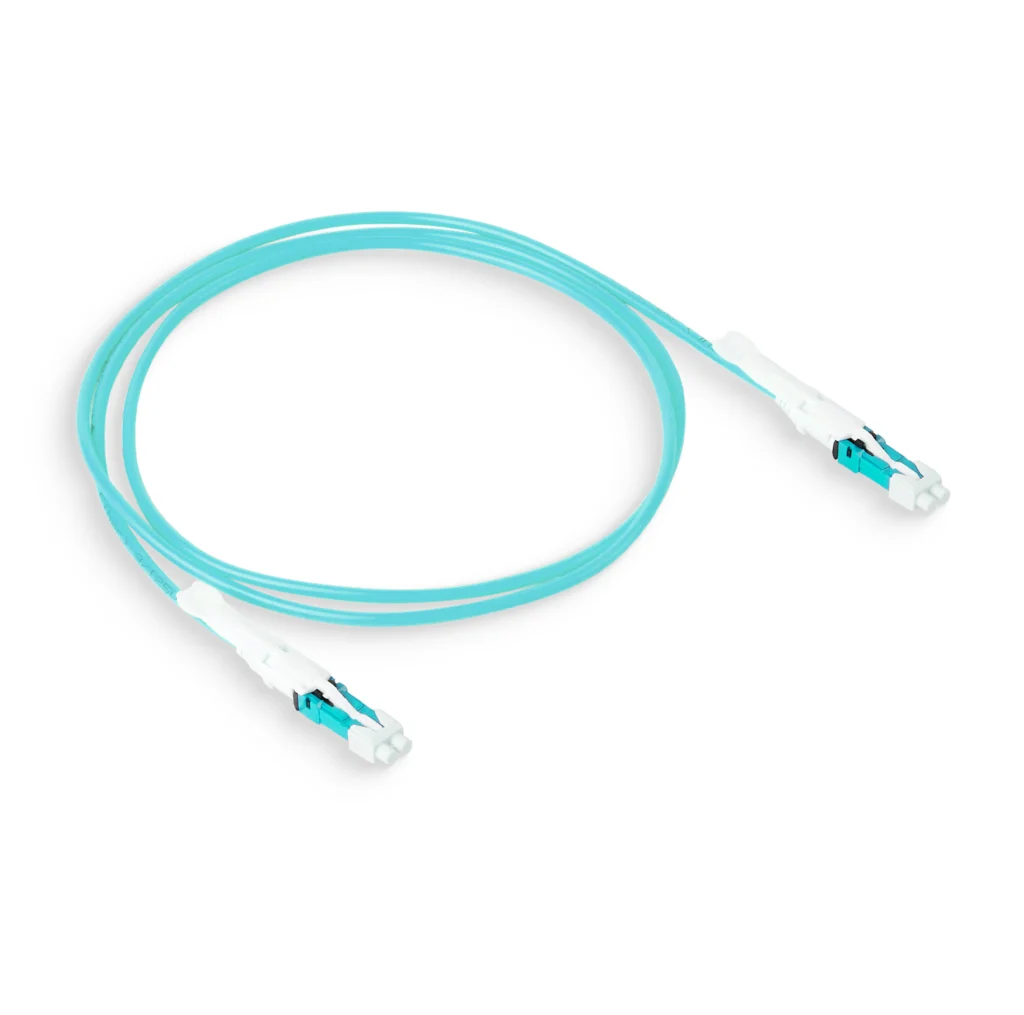
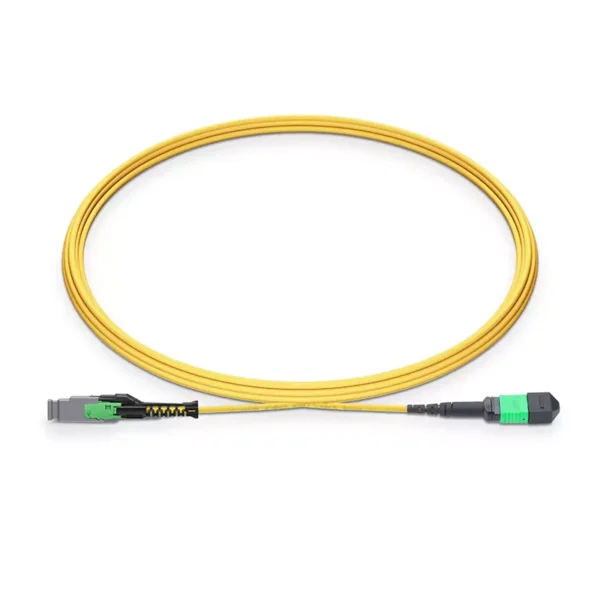
MMC12 to APC OS2
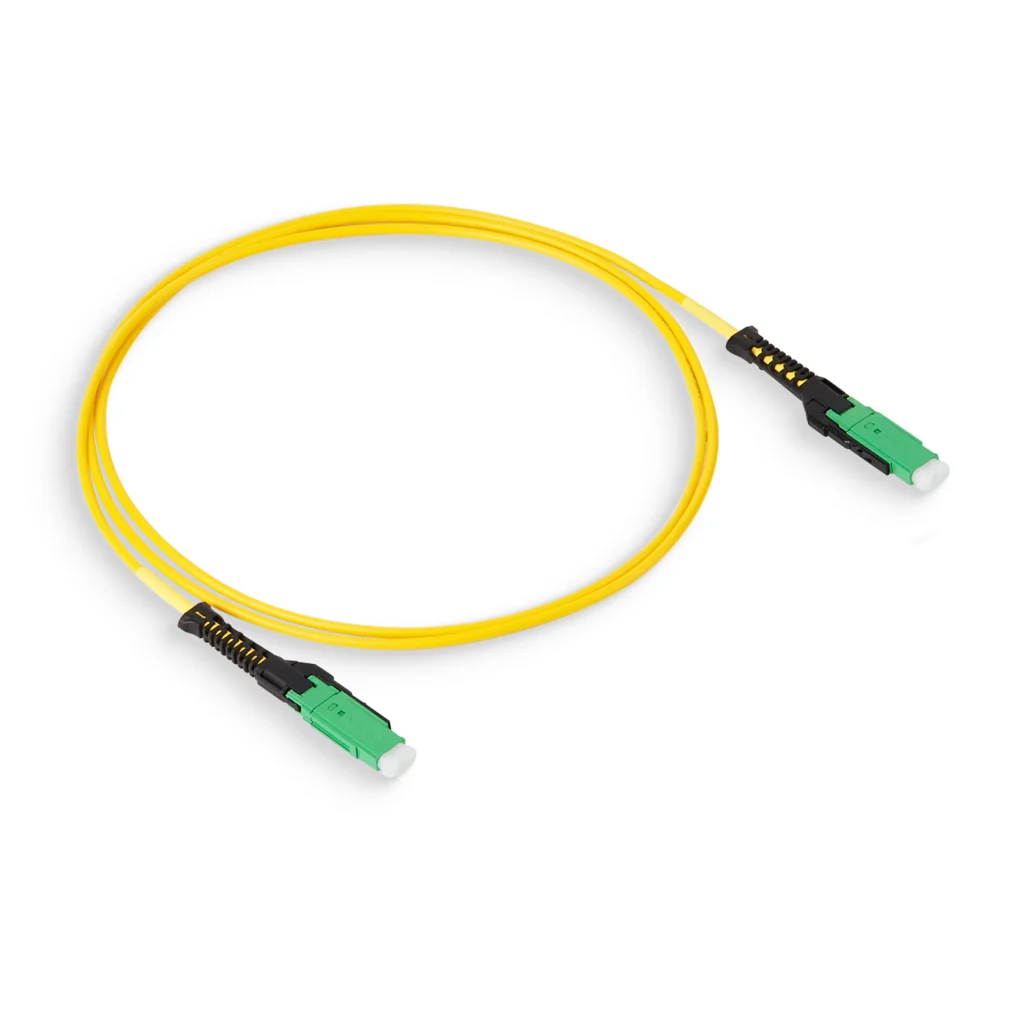
mmc12-apc patchcord

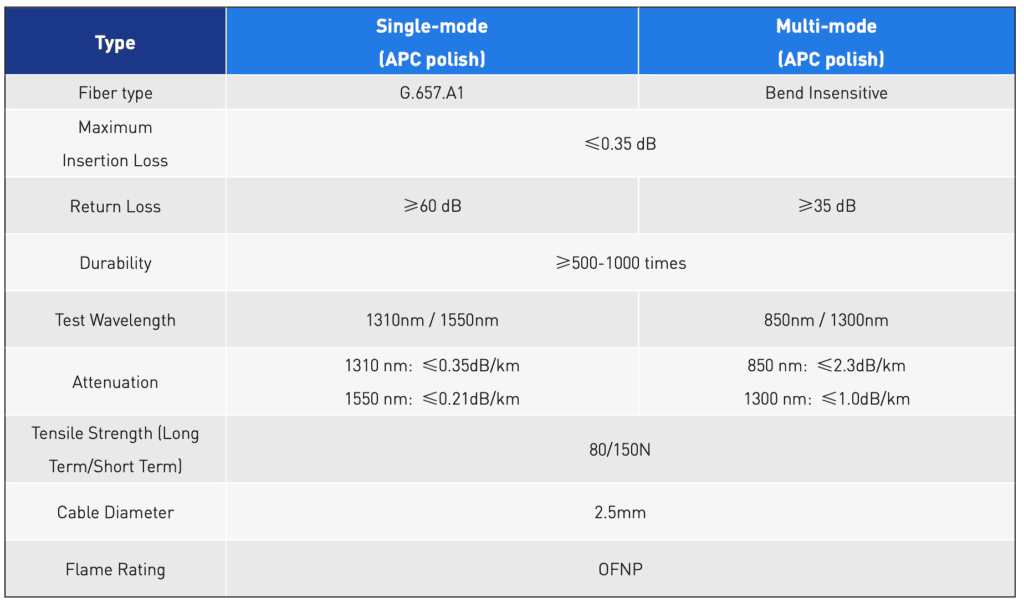
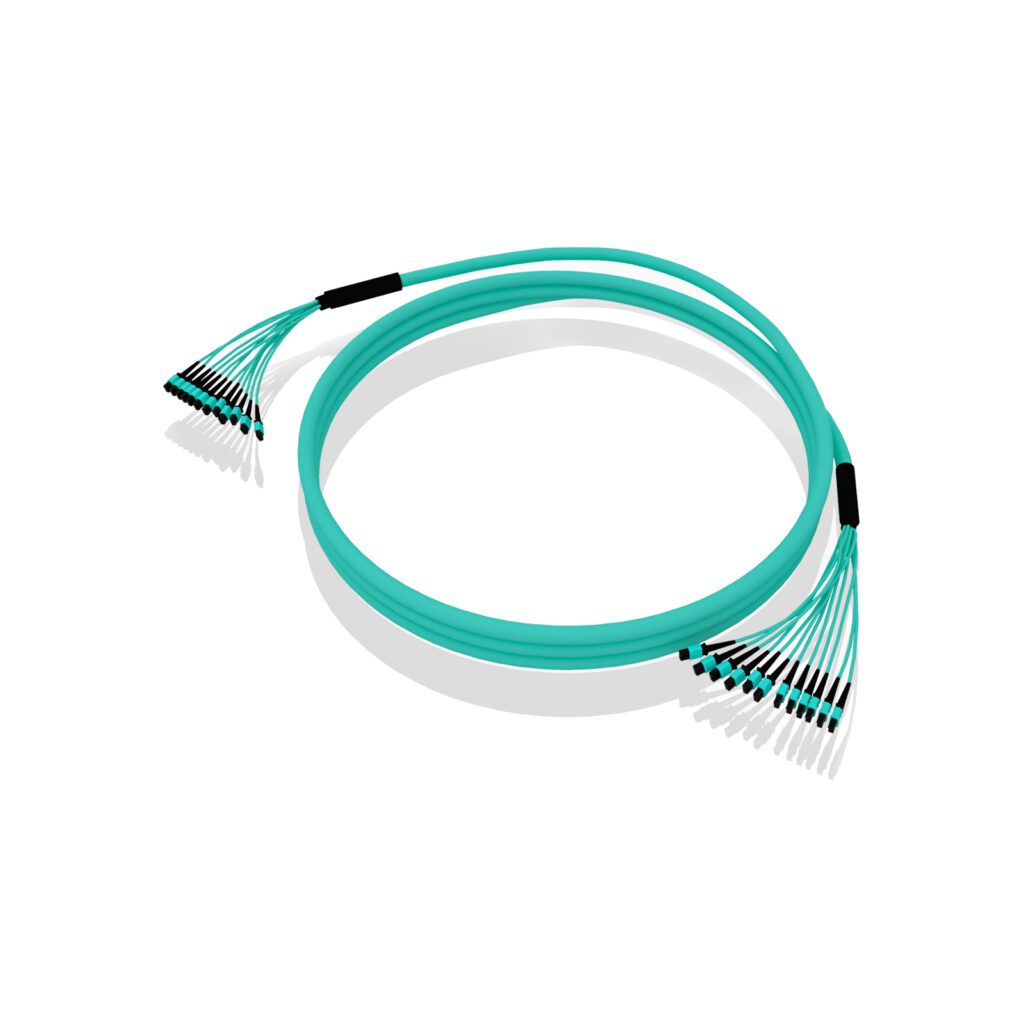
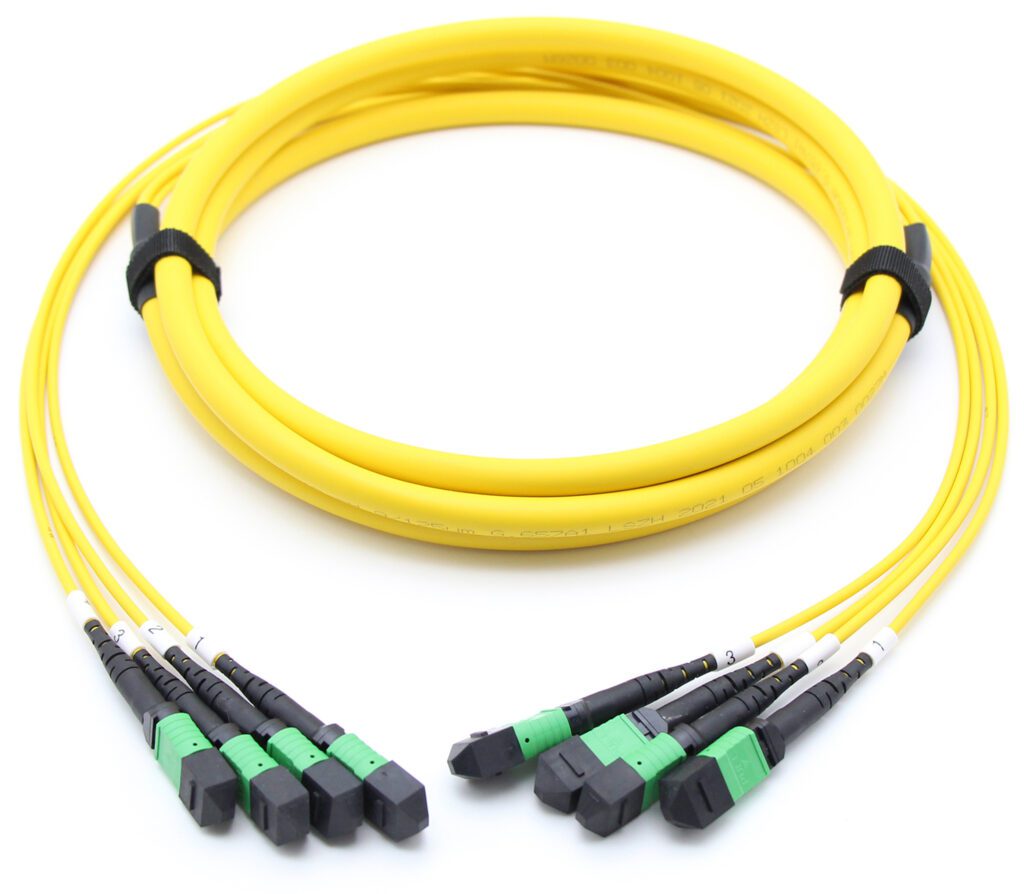
Stable MMC Breakout Cable, MMC-12 APC (Female) to MPO-12 APC (Female), 12 Fibers, Single Mode (OS2), Jumper Polarity, OFNP, 2.5mm, Max IL ≤ 0.35dB,

Ultra‑high‑density VSFF MMC‑12 fiber‑optic connectivity purpose‑built for AI‑driven and hyperscale data‑center environments. Built upon US‑Conec Very Small Form‑Factor multi‑fiber connector technology, this MMC12 APC Patchcord / jumper unlocks more than three‑times higher port density versus traditional MPO‑based cabling, maximizing rack‑unit space utilization and simplifying scalable network expansion.
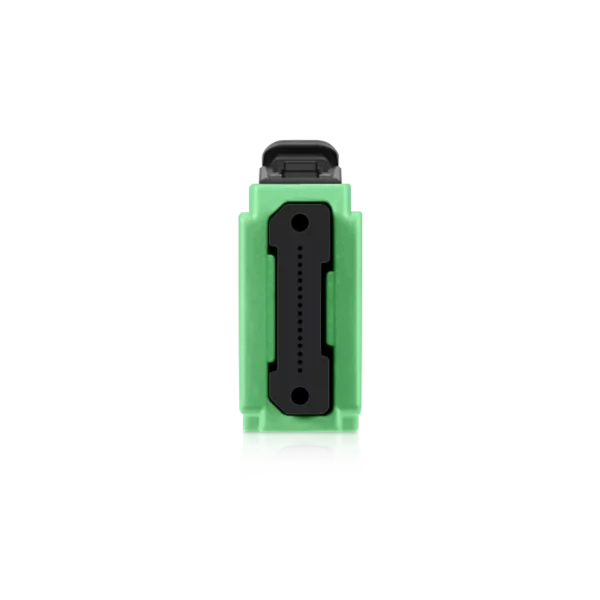
Equipped with advanced miniaturized TMT‑style ferrule, the MMC‑12 assembly delivers precise fiber alignment and consistent low‑insertion‑loss performance for high‑speed multimode optical transmission. This cable assembly is widely deployed for high‑density structured cabling fabrics, AI‑GPU cluster interconnects, data‑center‑interconnect (DCI) links, and next‑generation co‑packaged‑optics (CPO)‑ready infrastructure, providing compact, production‑grade performance for modern hyperscale networks.
  • VSFF MMC Connector Supports 3x Cabling Port Density over the MPO Format
  • Top & Bottom Rails Enable Correct Orientation to Simplify Installation and Maintenance
  • The TMT ferrule format can intermate with corresponding MT and MT-16 formats
  • DirectConec™ Push-Pull Boot to enable easy access when installing or de-commissioning cabling at a passive patch panel, server, or switch in the network
  • TMT Elite™ Enables 0.35dB Low IL and APC for Superior Return Loss
  • Tested to Telcordia GR-1435
  • Supports Data Center Structured Cabling and High-Bandwidth Applications
Edit Content

Description

Ultra-High Density VSFF MMC Fiber Connectivity for AI Data Centers

Ultra‑Compact Design Enabling 3× Port Density

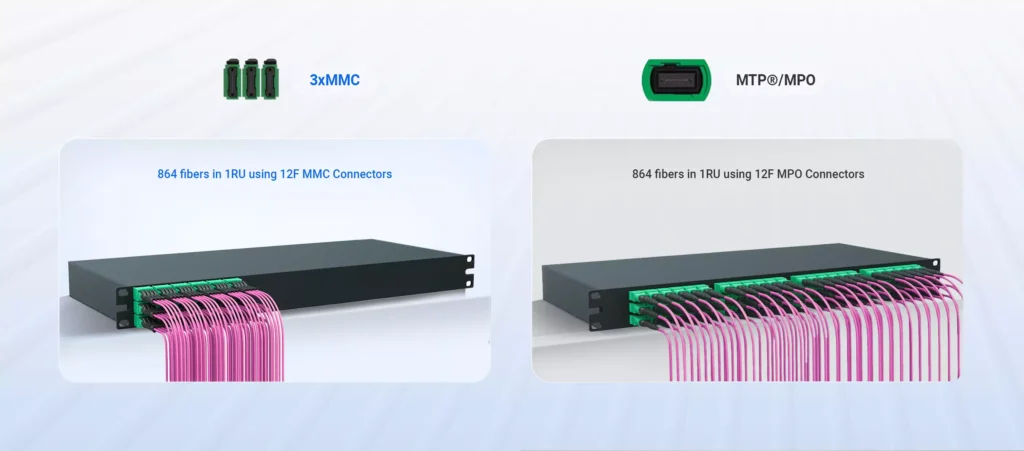
The US‑Conec MMC VSFF connector footprint delivers >3× port density compared to conventional MPO/MTP multi‑fiber connectors. This density benefit lets operators deploy identical fiber port counts within less than one‑third of original rack‑space footprint, or increase per‑RU port capacity by over three‑fold. Beyond higher density, the miniaturized form‑factor creates extra working clearance around each port, improving cable‑management workflows, internal cabinet airflow and overall field‑operational convenience.

Data‑Center Interconnect for Space‑Constrained Pathways

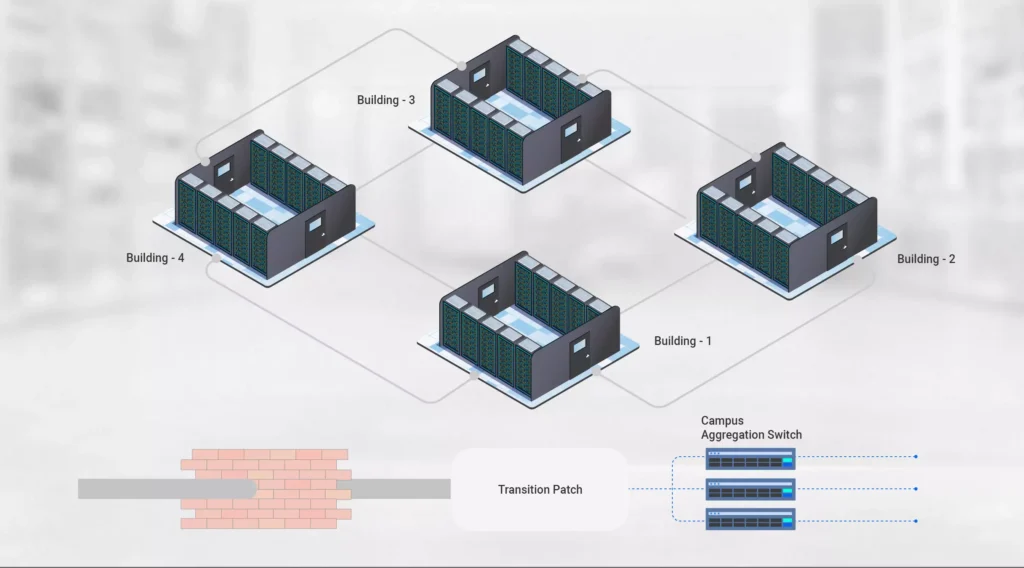
Within large‑scale data‑center campus deployments, high‑fiber‑count trunk cables (up to 6,912 fibers) are frequently used for aggregation‑layer inter‑building connections. Traditionally these links require heavy‑duty bulk cable pulls plus labor‑intensive field fusion‑splicing work, especially inside conduits and spatially‑restricted indoor routes.
Factory‑pre‑terminated MMC‑12 assemblies eliminate complex on‑site splicing work. They can be directly routed through constrained pathways, cutting deployment cycle time and minimizing costly data‑center downtime during infrastructure roll‑outs.
AIDC Network cabling

Specifications

mmc12 to apc patchcord

Product Highlights

Ultra-Compact Design Enabling 3x Port Density

The MMC connector features a very small form factor footprint, enabling over 3x higher port density compared to traditional MPO connectors. This density advantage allows deployment of the same number of optical ports in less than one-third of the space, or increases optical port capacity per rack unit by more than 3x. In addition, the compact interface size creates more working space around each optical port, improving cable management, airflow efficiency, and overall operational convenience.
mmc cable vs mpo cable

Data Center Interconnect & Constrained Pathways

In large data center campuses, high fiber count cables—up to 6,912 fibers—are commonly deployed between buildings for aggregation layer connectivity. Traditionally, these links require bulk cable installation and field fusion splicing, especially in conduit pathways or space-constrained indoor routes.
With its reduced form factor, MMC enables factory-terminated assemblies that can be directly installed in constrained pathways—eliminating complex field splicing, accelerating deployment, and minimizing data center downtime.
Data Center Interconnect & Constrained Pathways

Questions and Answers

Why should we choose MMC over industry standard MPO/MTP?

The ganged MMC connector is specifically engineered to address the critical challenges of maximizing density while ensuring seamless deployment in structured cabling systems. Featuring a compact design and advanced precision alignment, the ganged MMC connector enables faster installation and simplifies complexity in high-density environments. Offering significantly higher port density, it allows network designers to optimize rack space while ensuring flexibility for future scalability. With its innovative design, the MMC connector streamlines connectivity, reduces installation time, and empowers networks to scale efficiently, overcoming density constraints.

What fiber counts are MMC offered in?

The MMC connector is available in 1x12, 1x16 and 2x12 variants on the market. And NADDOD currently offers it in 16F TMT ferrule format online.

What are the loss rates likely on the MMC connectors?

MMC solutions enable 0.35dB low insertion loss performance, and their angled physical contact (APC) design translates to superior return loss.

What insertion‑loss performance can I expect for MMC connector assemblies?
Production‑grade MMC cable assemblies deliver low insertion‑loss performance capped at ≤0.35 dB maximum. APC angled‑physical‑contact end‑face polish brings superior return‑loss figures for both multimode and single‑mode link applications.
 
Why select MMC VSFF over industry‑standard MPO/MTP?
The ganged MMC VSFF multi‑fiber connector is purpose‑engineered to solve core density bottlenecks within structured data‑center cabling ecosystems. Adopting compact mechanical geometry and high‑precision TMT ferrule alignment, MMC streamlines installation complexity inside high‑density rack environments. It enables network architects to conserve precious rack real‑estate while preserving long‑term upgrade flexibility. MMC‑terminated jumpers reduce on‑site installation labor and empower networks to scale smoothly without being limited by legacy MPO‑style port‑density constraints.


Does this MMC‑12 jumper support mixed‑fiber‑count patching with MMC‑16 assemblies?

MMC‑12 and MMC‑16 connectors share the same US‑Conec VSFF mechanical platform, enabling cross‑compatible mating within MMC‑series patch panels. Please note that only matching fiber‑count channels will carry optical signals; unused channels should be properly covered with dust caps to prevent contamination.

What is the difference between Jumper Polarity and Trunk Polarity for MMC assemblies?

Jumper Polarity is designed for patch‑cord‑to‑patch‑cord direct interconnections, matching channel‑to‑channel mapping for short‑reach cross‑connect links. Trunk Polarity is intended for high‑density trunk‑cable deployments that require cross‑channel mapping when connecting patch panels. This MMC‑12 jumper is configured for Jumper Polarity for standard rack‑to‑rack and patch‑panel‑to‑patch‑panel applications.

Edit Content
Max IL ≤0.35dB
12‑Fiber OS2 Single‑Mode
2.5mm
Edit Content
Edit Content

To: Wade OY - Commercial Director

info@pna-fiber.com

By requesting a quote, your information will be shared with P&A Electronics Technology Co., Ltd. according to Google's Privacy Policy so that the merchant can follow up on your request.
WordPress Cookie Plugin by Real Cookie Banner
× How can I help you?